Publications > SHIBUYA 2025 - Ashen Reincarnation
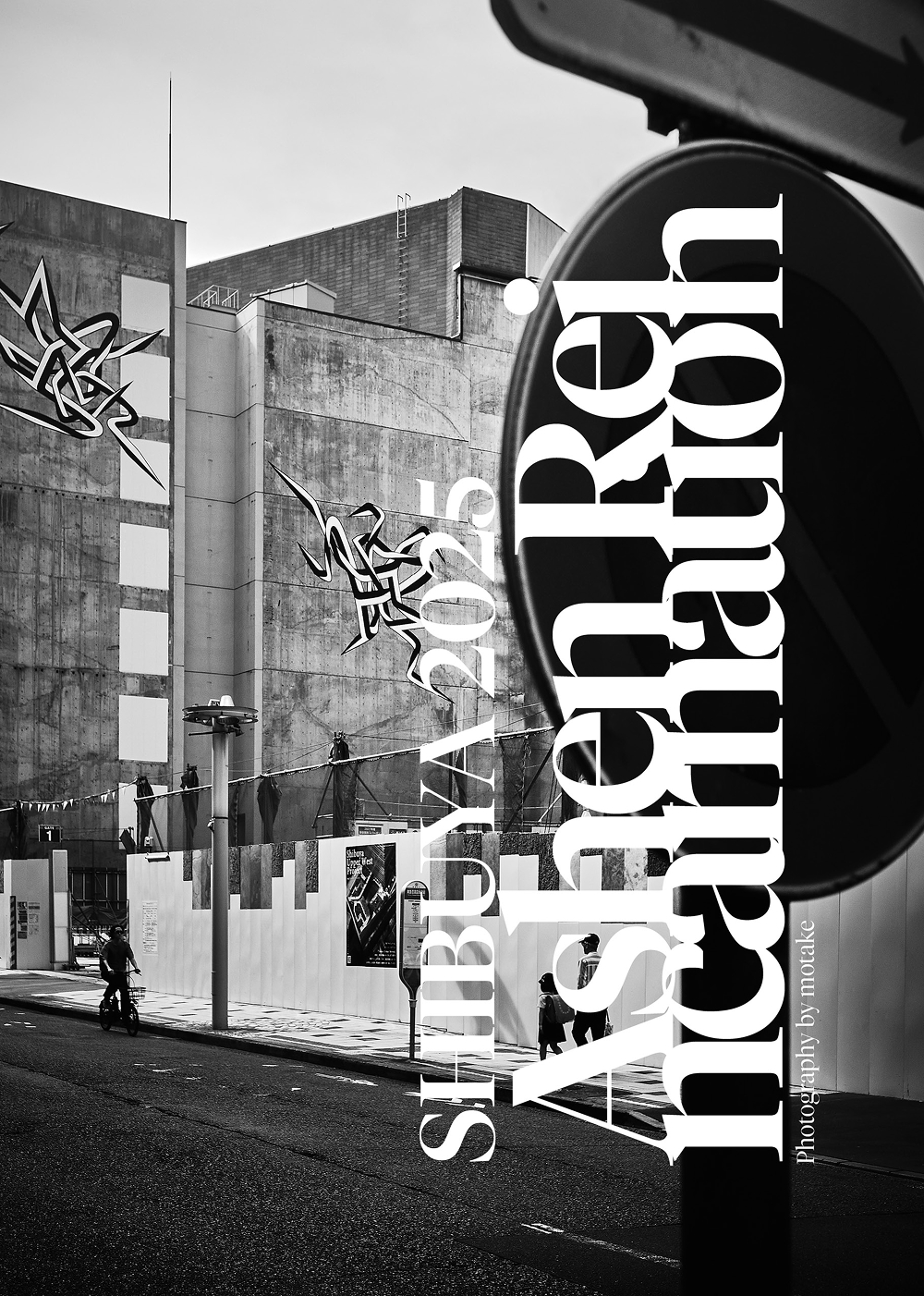
SHIBUYA 2025
Ashen Reincarnation
Format: A5, 48 pages, saddle-stitched, monochrome offset print on uncoated paper
Format: A5サイズ 48ページ 中綴じ 上質紙 モノクロオフセットプリント
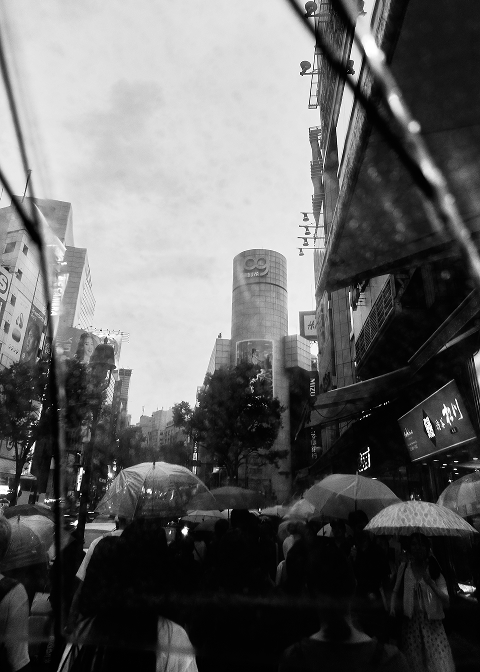
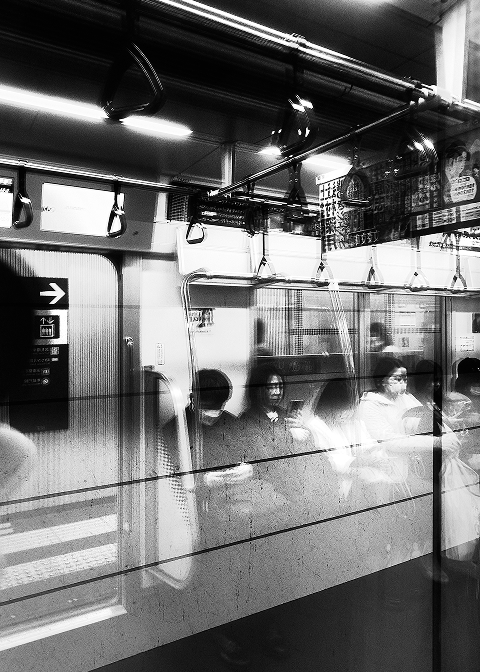
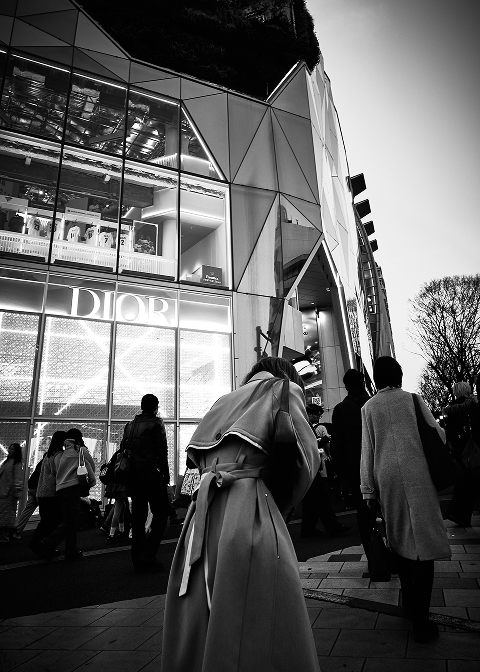
For over thirty years, I have lived and worked in Shibuya — not at its center, but at a considered distance, close enough to feel it, far enough to see it.
During that same time, I turned my lens toward cities around the world. How does a city transform? What is created in the process, and what is irreversibly lost? That question drove my work — until one day, the lens turned toward the city beneath my own feet.
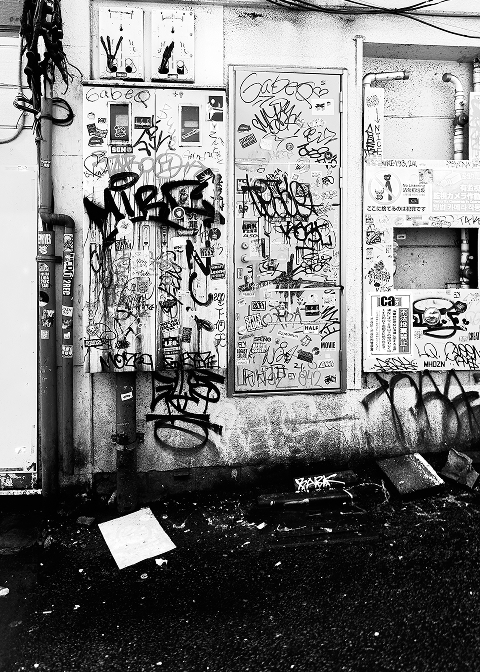
The turning point was the demolition of Tokyu Honten. On the wall of Bunkamura, standing beside the rubble, an artwork had been carved — rising like an apostle announcing the collapse of a city. The character of the crowds along Center-gai had shifted. The bookshops that once held the cultural edge had vanished. Seibu had withdrawn. Hands had been acquired. The scramble crossing was being absorbed by global tourism capital. What I had seen for years without truly seeing came suddenly into focus the moment I looked at that artwork. Shibuya's end had been underway for a long time.
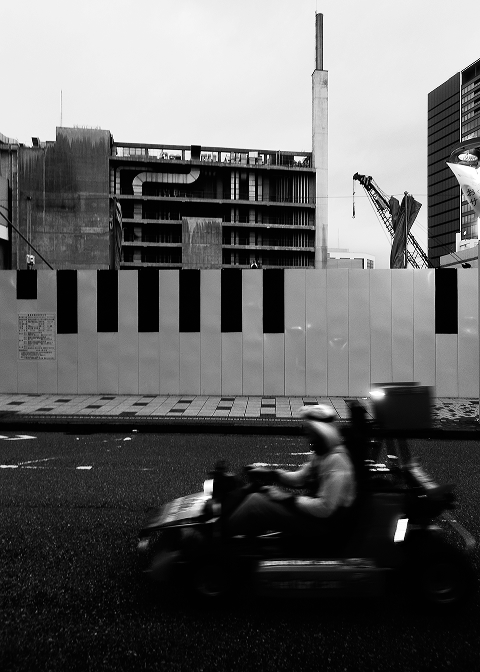
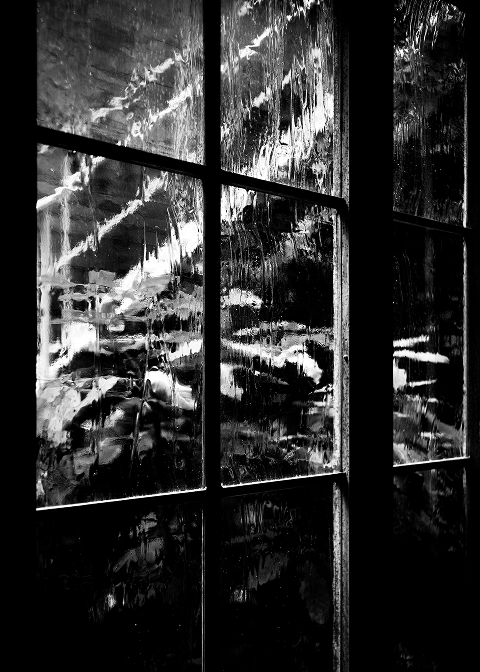
Reincarnation, in its original sense, presupposes the continuity of the soul. Even in death, its essence is carried forward into the next life. But what is happening in Shibuya is something different. Concrete turns to ash, and upon that ash, new concrete is raised. Form is reborn. But the soul is not carried forward. The memory of place, the cultural context, the accumulation of time — these are erased in the name of redevelopment, replaced by the uniform city that exists everywhere, and what should have been reincarnated is instead painted over in grey.
That loss cannot be measured in numbers. Nor is it nostalgia. I have no intention of joining the chorus that romanticizes the past and laments that things were better before. Cities must change. But whether that change carries a soul — that is the question.
The hours spent in Tower Records. The view from the rooftop of Seibu. The smell of music, cigarettes, and culture that once breathed in the darkness of back alleys. These disappear without being recorded. I have only just realized that I myself was part of what is disappearing.
This work is a record of a witness who arrived too late — a question pressed into form before the erasure was complete, an inquiry into the ashen reincarnation of a city.
渋谷という街と30年以上、生活者として、また働く者として、一定の距離を保ちながら関わり続けてきた。同じ時間、世界各地の都市にレンズを向け続けてきた。都市はいかに変容し、その過程で何が生成され、何が不可逆的に失われるのか。その問いを軸に撮影を続ける中で、ある日、視点は自分の足元の街、渋谷へと向いた。転機は東急本店の解体だった。取り壊された脇に建つBunkamuraの壁面に刻まれたアートが、都市の崩壊を告げる使徒のごとく、鮮明に浮かび上がっていた。センター街の人波の質が変わり、文化的エッジを担った書店が消え、西武が撤退し、ハンズが買収され、スクランブル交差点はグローバルな観光資本に塗り替えられていく。長年、見えていながら見ていなかったものが、アートを見た瞬間、ようやく焦点を結んだ。渋谷の終わりは、ずっと前から始まっていた。
輪廻転生とは本来、魂の連続性を前提とする概念。死してなお、その本質は次の生へと引き継がれる。しかし渋谷で起きていることは、それとは異なる。コンクリートは灰になり、その灰の上に新たなコンクリートが積み上げられる。形は再生される。しかし魂は引き継がれない。場所の記憶、文化的文脈、時間の堆積。それらは再開発の名のもとに消去され、どこにでもある均質な都市へと建て替えられ、輪廻転生するべきものが灰色に塗りつぶされていく。
その喪失は数値では測れない。そしてそれはノスタルジーでもない。過去を美化し昔は良かったと嘆く声に与するつもりもない。都市は変わるべきだ。しかし、変わり方に魂があるかどうかだ。タワーレコードで過ごした時間、西武の屋上から見えた景色、路地の暗がりに息づいていた音楽とタバコと文化の匂い。それらは記録されることなく消えていく。私自身もその消えゆくものの一部であったことにようやく気づかされた。
本作は、その遅すぎた目撃の記録であり、消去が完了する前に封じ込めた、灰色の輪廻転生への問いかけである。